You Won’t Believe This! Inside the US Push for Iranian Surrender and What Comes Next!
The ongoing conflict between the United States and Iran has become one of the most dramatic and consequential geopolitical struggles of the early 2020s.
With tensions escalating into full‑fledged conflict in 2026, Washington’s pressure on Tehran to surrender has captured global attention, shaking markets, alliances, and regional stability. Understanding why the United States is pushing for Iranian surrender and what could come next is key to grasping the shifting Opportunity Bridge Hub dynamics of global power, diplomacy, and war.
What Sparked the U.S. Pressure on Iran
At the center of the conflict lies deep‑rooted mistrust and competing strategic goals. The United States has repeatedly framed its push against Iran as necessary to prevent Tehran from developing nuclear weapons, dismantle its long‑range missile capabilities, and curb its support for proxy forces across the Middle East. In early 2026, U.S. forces and allies launched a major military campaign against Iranian targets in response to these perceived threats, dramatically elevating the stakes on both sides.
U.S. leaders have combined military pressure with diplomatic messaging aimed at weakening Iran’s ability to resist. Statements by American officials reporting that Iran is “close to surrender” are designed to signal confidence and leverage in negotiations, even as Tehran publicly rejects many U.S. demands.
However, experts note that the idea of forcing Iran to surrender entirely may be a misunderstanding of Iran’s resilience. Many analysts argue that coercive efforts have historically been ineffective because they misjudge the political and social unity behind Iran’s stance.
Iran’s Response and Strategic Defiance
Despite sustained military pressure and high‑profile U.S. demands, Iran has repeatedly rejected peace plans that it sees as imposing unilateral conditions. A U.S. peace proposal, relayed through regional intermediaries, included terms that would require Iran to limit its defensive capabilities and make broad concessions—moves Tehran described as unfair and untenable.
Instead of yielding, Iranian leaders have issued their own conditions for ending hostilities, including demands for control over strategic waterways and reparations. Tehran’s public rejection of ceasefire terms underscores its determination to negotiate from a position of strength, not surrender.
Moreover, Iran has sustained military operations and retaliatory attacks across the region, signaling that it is willing to endure continued conflict rather than accede to demands it deems unacceptable. Iranian defensive and offensive actions, including missile strikes on U.S. bases and allied territories, highlight Tehran’s strategy of persistence rather than capitulation.
Also Read: Why the United States Is Pressuring Iran to Surrender, And What Comes Next
Regional and Global Implications of the Pressure Campaign
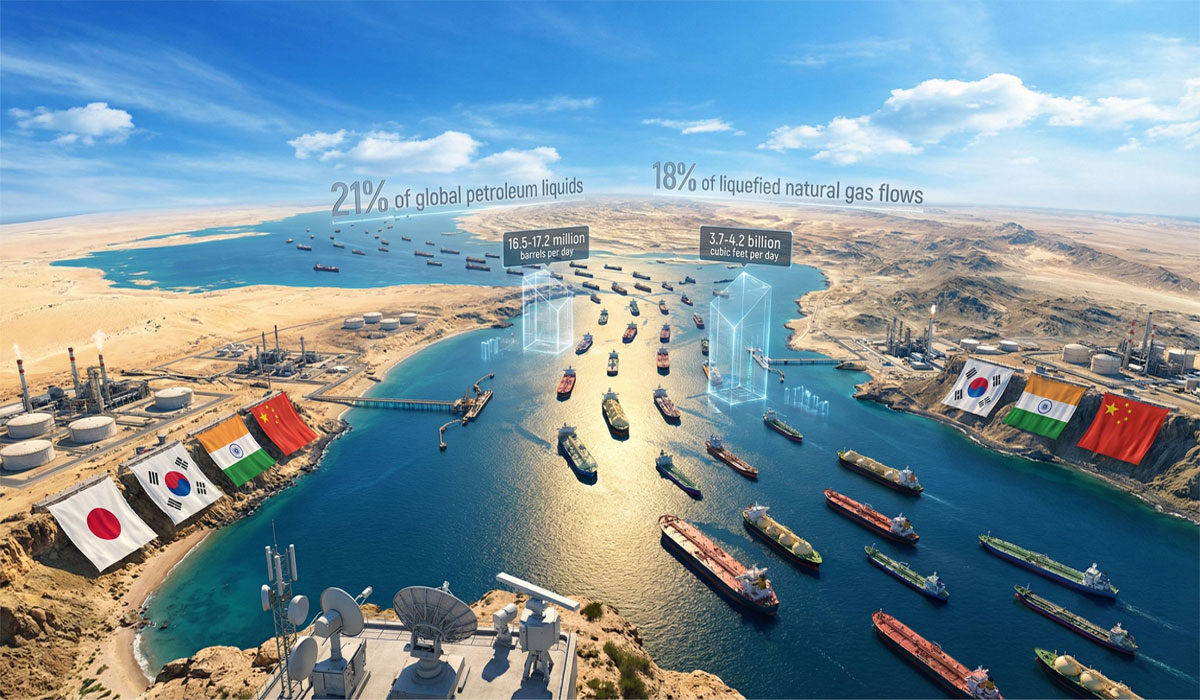
The U.S.–Iran conflict has consequences far beyond bilateral tensions. One immediate impact has been on global energy markets, with oil prices spiking due to disruptions in the Strait of Hormuz, a crucial chokepoint for global oil flows.
Furthermore, key international players have reacted with concern. The G7 foreign ministers met amid this backdrop of war and uncertainty, reflecting worries about global instability, U.S. foreign policy unpredictability, and the broader impact of the conflict on regional alliances.
Neighboring states face a delicate balance between managing security threats and avoiding full entanglement. Some Gulf countries have found neutrality increasingly difficult as the war strains diplomatic ties and prompts re‑evaluations of military and economic strategies.
What Could Happen Next as Pressures Escalate
Looking ahead, several scenarios could unfold as neither side appears ready to fully back down. One possibility is that continued diplomatic efforts through intermediaries such as Pakistan and Turkey could open a narrow path toward negotiation, even if a full ceasefire remains elusive.
Alternatively, if current high‑level demands remain entrenched, the conflict could stretch into a protracted stalemate. Long‑term war might see further economic repercussions, including sustained volatility in global energy markets and broader geopolitical realignments as nations adjust to evolving power dynamics.
There’s also the risk of regional escalation. Iran has threatened to expand conflict targets if its territory is directly attacked, including key maritime trade routes. Such developments could draw in additional nations and create wider economic disruption.
Conclusion
The United States’ pressure on Iran to surrender is rooted in strategic goals to limit Tehran’s military and nuclear capabilities and reshape the balance of power in the Middle East. While Washington pushes for concessions and advanced peace proposals, Iran has resisted demands it considers existentially threatening and has asserted its own negotiating conditions.
The result is a complex conflict with deep geopolitical consequences affecting global energy, regional alliances, and economic stability. Looking forward, the outcome remains uncertain; whether through sustained diplomatic efforts or prolonged conflict, what happens next will have implications far beyond the immediate combatants.
Image Information Source:
- Main Image from WSj
- Second Image from InvestingLive